Shopping is one of the best parts of travel — local markets, craft stalls, tax-free boutiques, bustling bazaars. But it’s also where tourists most often overpay, through inflated “tourist prices,” bad exchange rates, and hidden card fees. This guide pulls together everything you need to shop abroad smart and get the best price, anywhere in the world.
1. Know what things really cost — in your own currency
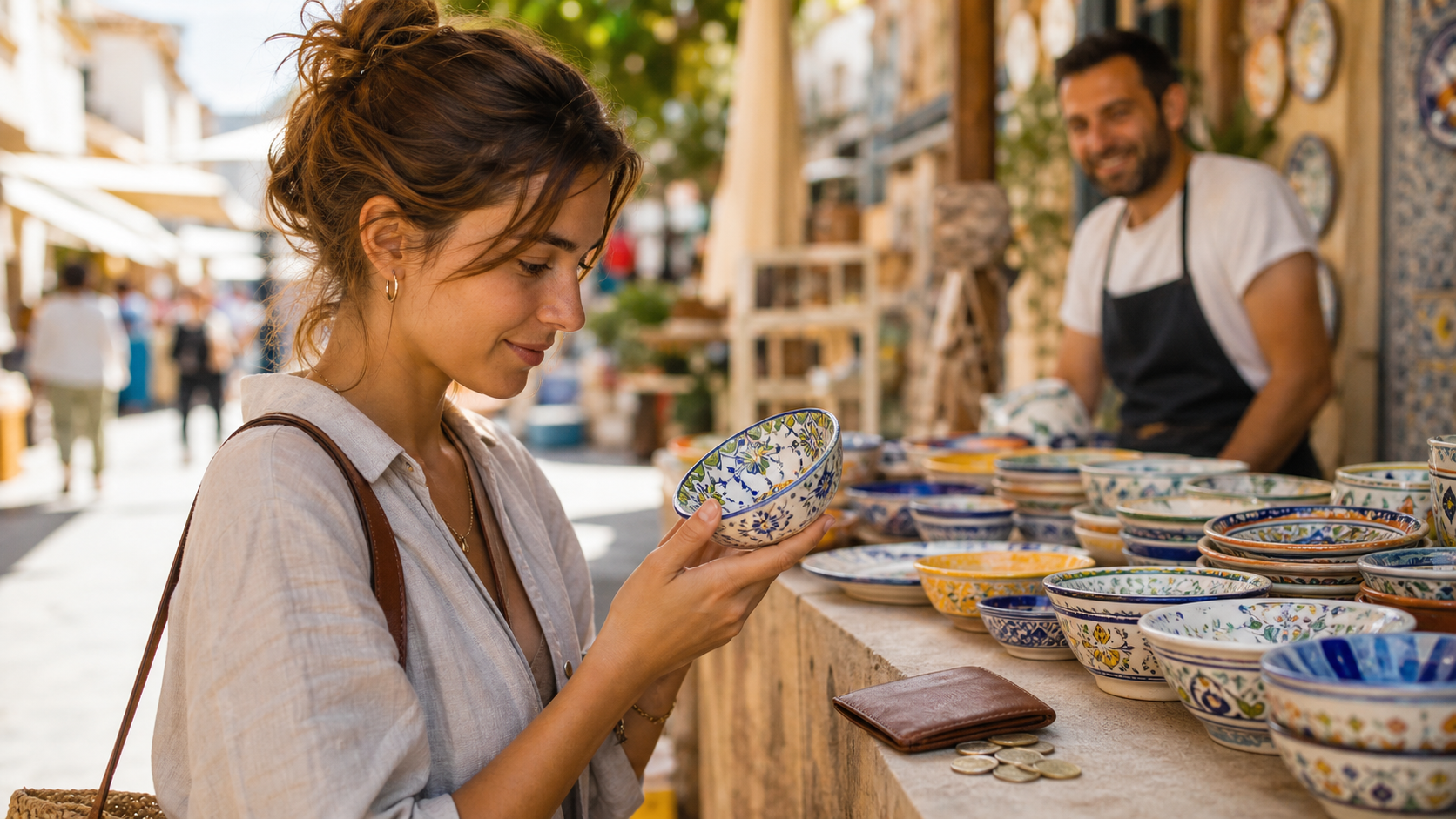
The single biggest advantage you can give yourself is being able to judge a foreign price instantly. When you can’t, you’re an easy target for markups. Keep Currencies on hand: type any price and see it in your home currency in a second — even offline, which matters in markets with no signal. It frees your brain from mental math so you can focus on the shopping, not the arithmetic.
2. Learn the local price range first
Early in your trip, glance at a supermarket or fixed-price shop to learn what things actually cost. After that, tourist-price traps stand out immediately and you’ll know a fair deal when you see one.
3. Master bargaining where it’s expected
In many countries the marked price is just an opening offer. Done well, haggling is friendly and saves money. Be warm, let the seller quote first, counter below it, and use a polite walk-away. Set your maximum in your home currency before you start.
4. Pay the smart way
When paying by card, always choose the local currency on the terminal — picking your home currency triggers dynamic currency conversion at a poor rate. Carry some cash for markets and small vendors, and decide when to use cash vs card.
5. Claim tax refunds when you can
Many countries let tourists reclaim VAT/sales tax on eligible purchases — keep receipts and look for “Tax Free” signage. It’s especially worthwhile in places like Japan and Dubai.
Country-by-country shopping guides
For local customs, what to buy and how to bargain, see our destination guides:
- Shopping in Thailand
- Bargaining in Morocco’s souks
- Istanbul’s Grand Bazaar
- Dubai shopping guide
- Japan tax-free shopping
- Mexico markets & money
6. Plan your purchases (and your budget)
Impulse buys are how shopping blows a travel budget. Keep a rough list of what you want — a shopping-list app like Cartly helps — and track spending against your trip budget as you go.
Get Currencies on the App Store
Frequently asked questions
How do I avoid overpaying when shopping abroad?
Learn the local price range early, convert prices to your own currency to spot markups, bargain where it’s expected, and always pay in the local currency on card.
Should I use cash or card for shopping abroad?
Carry cash for markets and small vendors; use cards at larger stores. Always choose the local currency on the terminal to avoid dynamic currency conversion.
Can I get tax back on shopping abroad?
Often yes — many countries offer VAT/sales-tax refunds for tourists on eligible purchases. Keep your receipts and look for tax-free retailers.
How do I know a price is fair in my currency?
Use a converter like Currencies to see any foreign price in your home currency instantly, even offline.