A good shopping list is one of the simplest money-savers there is. Walk into a store without one and impulse buys creep in; walk in with a plan and you spend less, waste less, and get out faster. Here’s how to build a list that actually works.
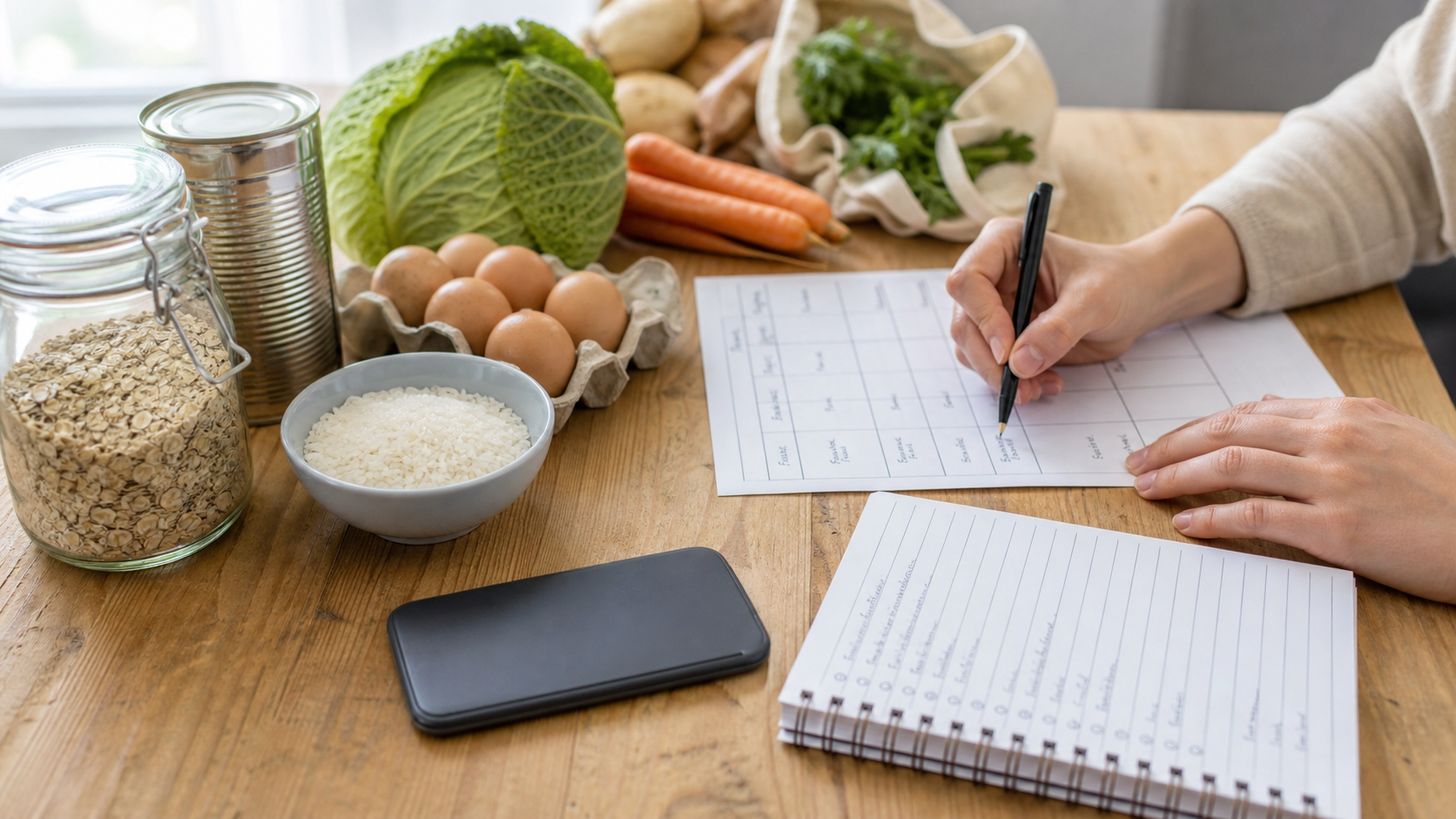
Start from what you’ll eat and use
Plan your meals or your week first, then list what you need to make them happen. Check what you already have so you don’t double-buy. This single habit kills most food waste.
Group items the way you shop
A list scattered at random sends you zig-zagging across the store. Group by category — produce, dairy, pantry — so you move through once. (More on this in organizing by store layout.)
Add a budget as you build
The real power move is attaching a rough price to items as you add them, so you see the total before you shop — not a surprise at the register. A planner like Cartly is built for exactly this: shopping lists with budgeting baked in, so your list and your spending live in one place.
Keep a running staples list
Keep a reusable list of staples you always need, then tweak each week. It turns a 10-minute chore into a 2-minute one.
Meet Cartly — shopping lists & budgets →
Cartly is a shopping list and budget planner for iPhone, launching soon.
Frequently asked questions
How do I make a shopping list that saves money?
Plan meals first, check what you have, group items by category, and attach rough prices so you know the total before you shop.
Why do I always overspend at the store?
Usually impulse buys from shopping without a plan. A list with a running budget keeps you on track.
What’s the best way to keep a shopping list?
A digital list you always have on your phone, ideally one that also tracks your budget like Cartly.